In this guide, we'll explore the differences between Nucleus and Orchid. We’re here to help you understand the differences between embryo screening services.
Many people have questions about how Nucleus compares to Orchid. We’re here to help you understand the differences between embryo screening services. This guide compares two distinct approaches to embryo analysis: one that works directly from embryo cells and another that analyzes existing embryo genetic data.
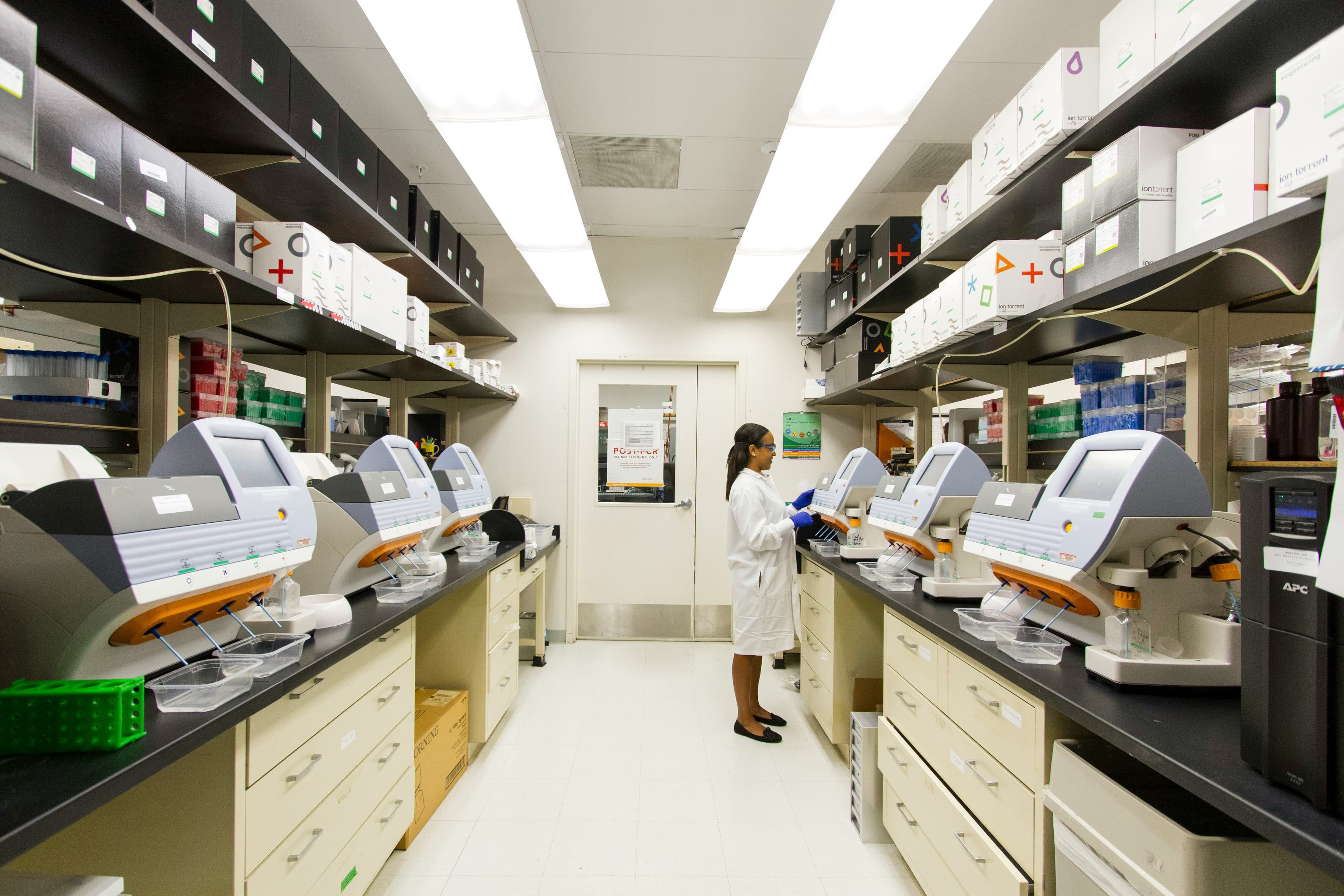
Orchid offers direct embryo screening (also known as preimplantation genetic testing or PGT) as a clinical CLIA/CAP-certified laboratory, Orchid sequences 99% of an embryo's genome.
Nucleus does not operate a physical embryo screening lab or generate data. It uses software to return predictions on 1% of the data from an embryo, using genomic prediction’s array.
Nucleus does not have the ability to generate whole genome data from embryos.
Nucleus does not work directly with your IVF doctor or their embryology lab.
The Fundamental Difference
Orchid is a specialized laboratory that performs whole genome sequencing directly on embryo cells. When you use Orchid, embryologists send approximately 5 cells from each embryo to Orchid's lab, where they conduct comprehensive genetic analysis using 30x whole-genome sequencing technology.
Nucleus does not perform embryo sequencing. Instead, Nucleus receives and analyzes raw genetic data from laboratories like Orchid to provide additional polygenic risk scores and genetic insights that may not be included in the original lab's report. It is important to keep in mind that Orchid’s screening already contains polygenic risk scores that are supported with scientific evidence. Nucleus reports may include exploratory analyses, like traits and personalities, which lack a strong clinical basis but can be of interest to families.
It is worth noting that in addition to generating 30x whole genome data, Orchid's reports also include a comprehensive analysis of 1,700+ clinically significant monogenic conditions, 50 targeted microdeletions/microduplications along with polygenic risk scores.
What Orchid Health Offers
Highest Quality Data
Orchid sequences over 99% of an embryo's DNA, while alternatives sequence less than 1%. With much more data, more risks can be identified.
The process is as follows:
- Whole genome amplification from 5-cell embryo biopsies from an IVF center
- 30x whole genome sequencing Clinical-grade analysis in CLIA-certified, CAP-accredited laboratories
- Comprehensive reporting combining multiple testing types
Genetic Conditions Screened
Orchid's comprehensive analysis covers:
Monogenic Conditions (1,700+ diseases)
- Genetic forms of neurodevelopmental disorders
- Genetic birth defects
- Pediatric and hereditary cancers
Copy Number Variants (50 targeted conditions)
- Microdeletions and microduplications ≥400kb
- Including DiGeorge syndrome, Williams-Beuren syndrome
- Copy number variations
Polygenic Conditions (12 diseases): The twelve diseases for which Orchid provides genetic risk scores include: Alzheimer's disease, Bipolar disorder, Schizophrenia, Type 1 diabetes, Type 2 diabetes, Coronary artery disease, Atrial fibrillation, Hypertension, Breast cancer, Prostate cancer, Inflammatory bowel disease, and Hypothyroidism.
Integrated Testing Approach
Orchid combines all the results from PGT-A, PGT-M, and PGT-P and more in a single report. This means one test provides:
- PGT-A: Chromosome number analysis (aneuploidy screening)
- PGT-M: Single gene disorder screening without requiring parental probes
- PGT-P: Polygenic disease risk assessment
- Screening for hundreds of conditions missed by standard platforms
What Nucleus Offers
Genetic Data Analysis Services
Nucleus insights are only as good as the genetic data provided by the PGT company performing the original screening. Orchid’s screening outputs a whole genome file, which allows for a much more comprehensive analysis. Other PGT results and data files may be based on microarray testing, which only includes genetic markers and may miss significant conditions that aren’t covered by limited markers. The specific monogenic and polygenic analyses provided by Orchid are selected based on clinical relevance, data quality, and the strength of supporting scientific evidence– ensuring meaningful, actionable insights.
Enhanced Polygenic Risk Analysis:
- Expanded polygenic risk scores beyond what primary labs offer
- Analysis of traits and conditions that may not meet other labs' quality thresholds
- Integration of non-genetic factors for absolute risk predictions
Data Processing Capabilities:
- Works with raw data from laboratories like Orchid
- Accepts both whole-genome sequencing and microarray data
Nucleus focuses on providing additional genetic insights that complement primary laboratory reports:
Key Differences in Embryo Approach
| Aspect | Orchid Health | Nucleus |
|---|---|---|
| Primary Function | Direct embryo sequencing laboratory PLUS genetic data analysis service | Genetic data analysis service |
| Sample Processing | Receives embryo cells from IVF clinics | Receives raw genetic data from PGT companies like Orchid |
| Technology | 30x whole-genome sequencing | Computational analysis and modeling |
Scope of Analysis
| Category | Orchid Health | Nucleus |
|---|---|---|
| Monogenic Diseases | 1,700+ conditions | Only if available via the data provided by the source lab (eg. Orchid) |
| Structural Variants | 50 targeted microdeletions/duplications | None |
| Polygenic Conditions | 12 rigorously validated conditions | Extended panel including traits |
| Quality Standards | Strict clinical validation requirements | Broader inclusion of research-grade scores |
Clinical Integration
Orchid Health:
- Works directly with IVF clinics and performs embryo screening
- Provides board-certified genetic counseling
- Your IVF doctor orders Orchid on your behalf. An embryologist sends Orchid's lab ~5 cells from each embryo
- Orchid performs the embryo sequencing and analysis
Nucleus:
- Works with data after primary laboratory analysis is complete– is not a substitute for PGT
- Provides supplementary analysis to existing data
Quality Thresholds
Orchid's Approach: Focuses on clinically validated, high-confidence genetic risk scores that meet strict quality standards for clinical use.
Nucleus's Approach: May include additional risk scores for traits or conditions that haven't yet met the most stringent clinical thresholds but could provide valuable information to families.
Who Each Service Is For
Orchid Health Is Ideal For:
- Families undergoing IVF who want comprehensive embryo genetic screening
- Couples concerned about specific genetic conditions running in their families
- Those seeking an all-in-one genetic testing solution integrated with their IVF care
Nucleus Is Ideal For:
- Families who have already used Orchid and received embryo genetic data and want additional insights
- Those interested in genetic analysis beyond standard clinical panels
- Families who are comfortable with research-grade genetic information alongside clinical data
Summary
It’s important to understand that this isn’t a choice between using Orchid or Nucleus; rather, they serve different roles in the embryo screening process. Nucleus does not perform embryo testing and relies entirely on existing genetic data from a laboratory like Orchid. If you want to access whole genome embryo sequencing and enable deeper analysis through services like Nucleus, you must first use a PGT provider such as Orchid. Orchid generates the high-quality, whole genome data that makes these extended insights possible.
Orchid offers a fully integrated clinical service; from sequencing DNA from embryos to delivering comprehensive, clinically validated reports. Nucleus, by contrast, is a supplemental analysis service that builds upon existing genetic data to provide extended insights, particularly into polygenic risk. Understanding the strengths of each approach can help families make informed decisions that align with their reproductive goals and comfort with emerging genetic science.