The world of genetics is constantly evolving, and it can be overwhelming to understand all the options for genetic testing. While no single test can uncover every genetic risk, learning about your options early in your family-building journey can empower you to make informed choices.
One option available to those pursuing IVF (in vitro fertilization) is embryo screening, scientifically known as preimplantation genetic testing (PGT). This process involves testing embryos created during IVF for specific genetic information, helping to screen for potential concerns.
How Does Embryo Screening Work?
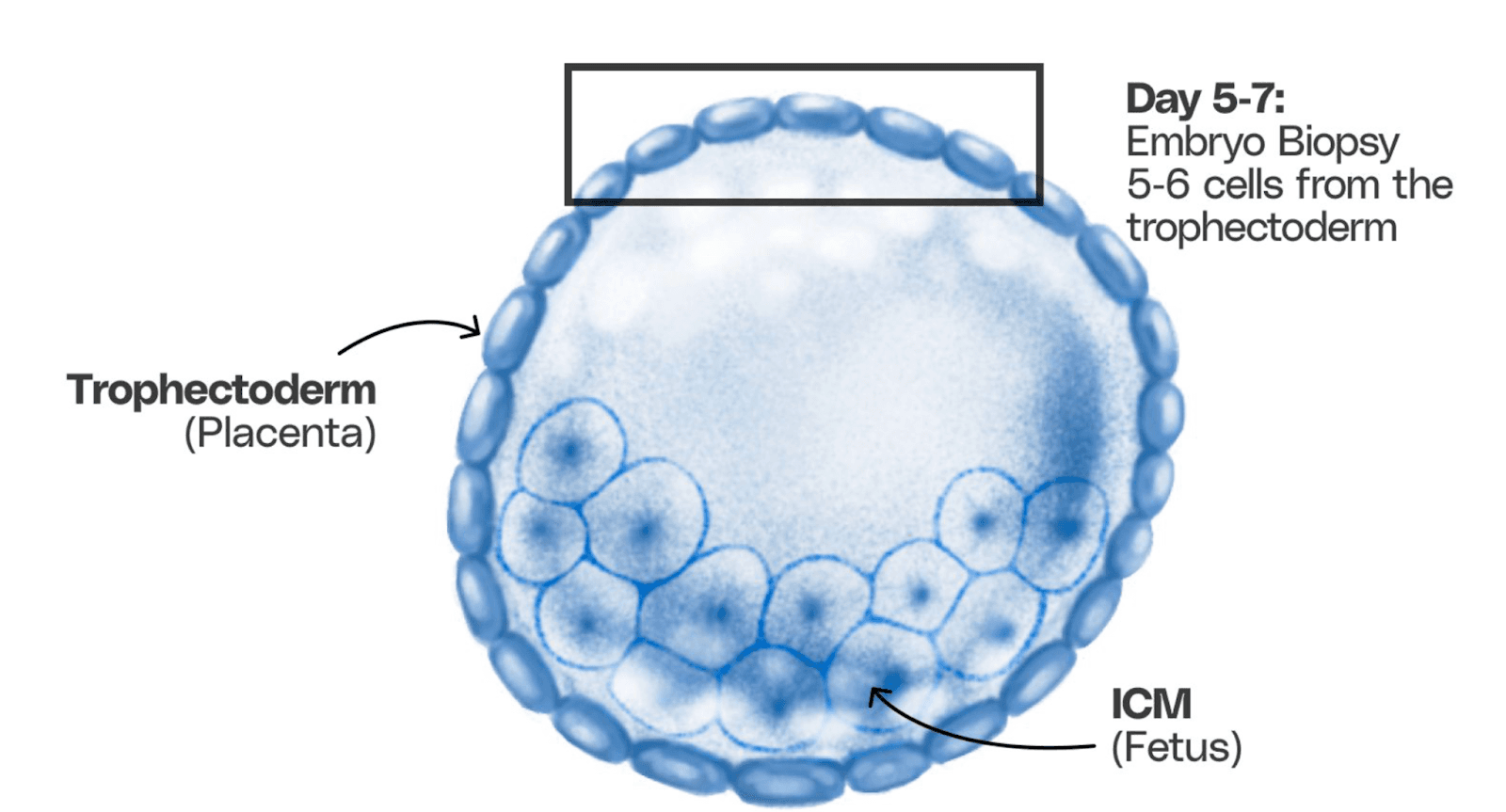
- Embryo screening requires a small sample of cells from the embryo.
- An embryologist at your IVF center carefully removes 5-6 cells from the trophectoderm (the part of the embryo that forms the placenta), not the inner cell mass (which develops into the fetus). This is considered a low risk procedure.
- The screening on these samples can provide valuable insights into the embryo, although it is important to note that it does not replace genetic testing during pregnancy.
There are several types of embryo screening (PGT), each tailored to specific needs:
1. PGT-A (Preimplantation Genetic Testing for Aneuploidy)
-
What it screens for: Chromosomal abnormalities (called aneuploidies)
-
How it works: Counts chromosomes to detect:
- Whole chromosome abnormalities: For example, Down Syndrome is caused by an extra copy of chromosome 21
- Segmental aneuploidies: Extra or missing pieces of chromosomes
-
Purpose: Helps identify embryos with the correct number of chromosomes to improve the chances of a healthy pregnancy
2. PGT-M (Preimplantation Genetic Testing for Monogenic Disorders)
-
What it screens for: Specific genetic conditions known to run in the family
-
Who it’s for: Families with a history of genetic conditions, such as:
- Autosomal dominant conditions (e.g., BRCA mutations)
- Autosomal recessive conditions (e.g., cystic fibrosis, Tay-Sachs disease)
- X-linked conditions (e.g., Hemophilia A)
-
How it works: Typically this is a test developed for the family's unique condition(s). This process, called “probe development,” may require DNA samples from family members and take weeks to months to complete
At Orchid, this process can be shortened and family members may not be required as probes are not needed. This can facilitate quicker timelines and accommodate more diverse family structures.
3. PGT-P (Preimplantation Genetic Testing for Polygenic Conditions)
-
What it screens for: Conditions influenced by many genes as well as environmental factors, such as:
- Diabetes
- Mental health conditions
- Heart disease
-
How it works: Evaluates an embryo’s genetic predisposition to these conditions compared to the general population
-
Purpose: Can help families prioritize embryos at lower risk for chronic conditions. While this testing is not meant to diagnose or eliminate risk, it provides insight into potential genetic risk factors
4. PGT-WGS (Whole Genome Sequencing)
This is the most comprehensive form of embryo screening offered through Orchid.
-
How it’s different:
-
Traditional PGT examines <1% of the genome, while PGT-WGS looks at over 99%
-
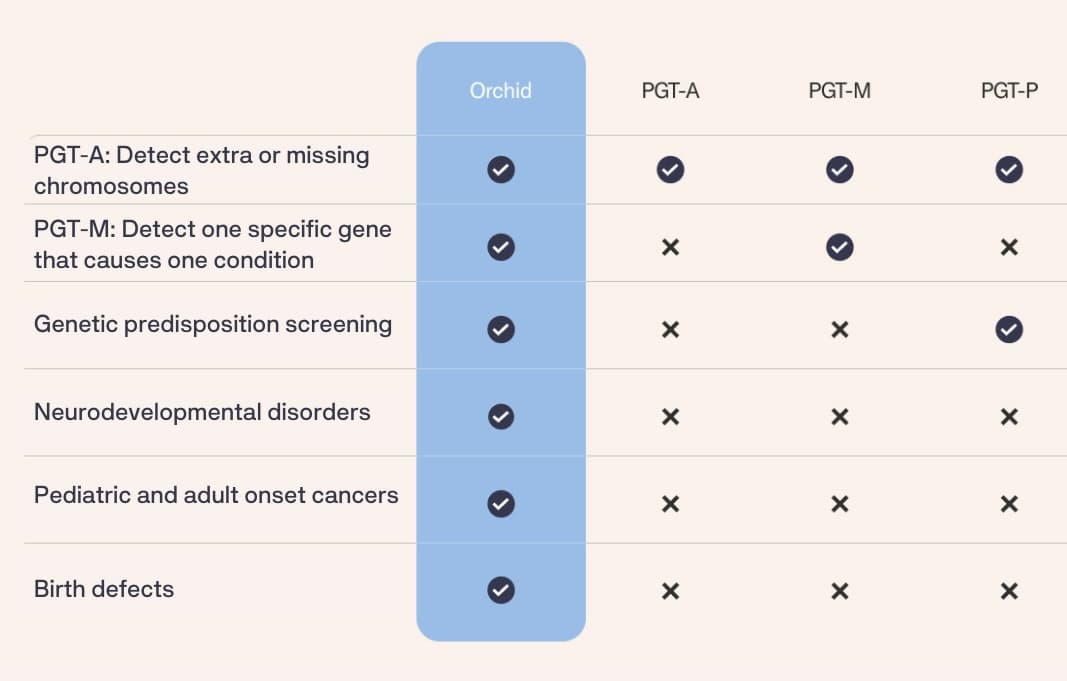
Combines all embryo screening (PGT) options in one:
- PGT-A: Detects smaller chromosomal changes (microdeletions/duplications)
- PGT-M: Eliminates the need for family-specific probes, speeding up the process
- PGT-P: Provides more robust risk scores by analyzing a wider genetic landscape, including ancestry
-
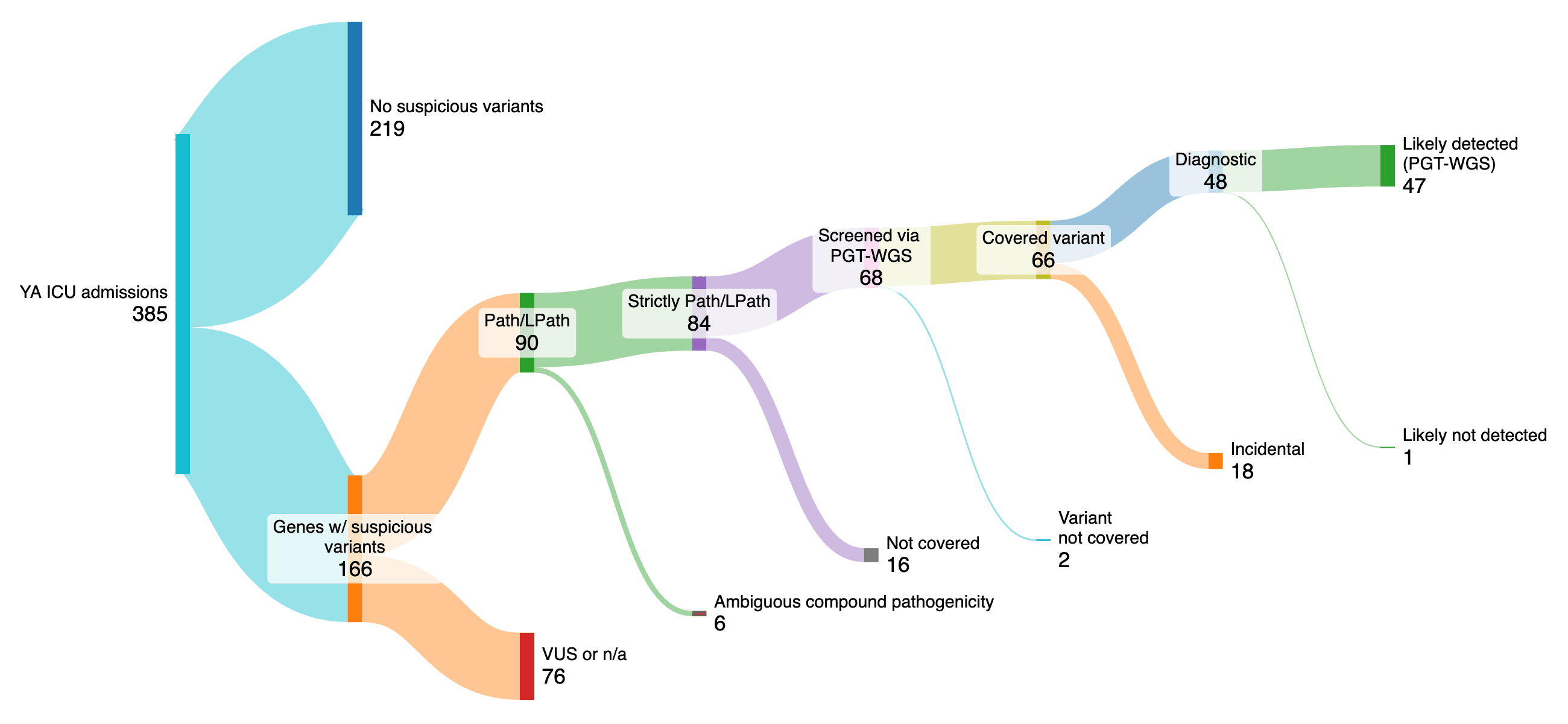
Plus more: Screens for hundreds of genetic forms of neurodevelopmental disorders, birth defects, and hereditary cancers
-
-
Advantages:
- Provides 100x more data from the same biopsy as traditional PGT
- Accessible to families for whom traditional PGT-M might not be feasible due to technical challenges or unavailable family samples
- Reduces more genetic risks than previously possible
What’s Next?
If you’re considering whole genome sequencing for your embryos, Orchid’s genetic counselors can help guide you through the options to determine what’s best for you and your family-building goals.
By understanding the different types of testing available, you can take a proactive step toward making informed decisions about your future family’s health. Get started with a complimentary genetic counseling call here.